The Hidden Cost of Skipping AC Maintenance During a Louisiana Summer

At Albritton Service, we see it every year: homeowners who skipped their spring tune-up end up calling us mid-July for an emergency repair that could have been caught in April. Regular AC maintenance in Ruston isn’t just a line item on a to-do list — it’s what stands between a comfortable summer and a system that quits on you during the hottest week of the year.

Louisiana summers don’t ease an air conditioner into the season. They hit it hard, right out of the gate, with heat, humidity, and afternoon thunderstorms that keep your system running for hours at a stretch. Skipping maintenance doesn’t mean nothing happens — it means problems build quietly until they show up as a breakdown, a high electric bill, or a house that never quite feels cool. Here’s what that neglect really costs, and what a professional tune-up actually protects.

Efficiency Loss You Won’t Notice Until It’s Expensive

An air conditioner that isn’t maintained doesn’t fail overnight — it loses efficiency gradually, so gradually that most homeowners don’t notice until their energy bills climb or the house feels muggier than it used to. Dirty coils, a clogged filter, and low refrigerant all force the system to work harder to produce the same amount of cooling.

That extra strain doesn’t just show up as wasted energy. It also shortens the lifespan of components that are expensive to replace, like the compressor. A system that’s been neglected for a few seasons is running well below the efficiency it had when it was new, even if it still technically “works.” Efficiency loss is the most invisible cost of skipped maintenance — and often the most expensive one over time.

Breakdowns at the Worst Possible Time

Ruston summers don’t give your AC system a break. When temperatures stay high for weeks and humidity doesn’t let up, your unit runs almost constantly. A small issue — a failing capacitor, a refrigerant leak, a dirty condenser coil — that would be a quick, inexpensive fix during a routine visit becomes a full-blown breakdown when the system is under that kind of continuous load.

This is exactly why we get so many emergency calls in July and August: small problems that went undetected all spring finally give out during the busiest, hottest stretch of the year. A regular maintenance visit catches wear and tear while it’s still minor, long before it turns into a no-cool emergency on a Saturday afternoon.

A Shortened System Lifespan

Every air conditioner has a realistic lifespan when it’s properly cared for — and that lifespan shrinks fast when maintenance is skipped year after year. Components that run dirty or under strain wear out faster than they should. Motors work harder. Coils lose their ability to transfer heat efficiently. Refrigerant levels drift out of range and stress the compressor, which is the single most expensive part of the whole system to replace.

Think of it the way you’d think about a vehicle that never gets an oil change. It might run for a while, but it won’t run as long, and the parts inside are wearing down faster than they need to. Consistent AC maintenance in Ruston is what keeps a system running closer to its full potential lifespan instead of falling well short of it.

Poor Indoor Air Quality and Comfort

Your air conditioner does more than cool your home — it’s also constantly filtering and circulating the air you and your family breathe. When maintenance is skipped, dust, allergens, and moisture can build up inside the system and get pushed right back into your living space. In a humid climate like North Louisiana’s, a neglected system can also struggle to control indoor humidity properly, leaving rooms feeling clammy even when the thermostat says it’s cool enough.

Comfort issues like uneven cooling, rooms that never quite reach the set temperature, or a house that feels sticky despite the AC running are often early signs that a system needs attention. These aren’t just annoyances — they’re signals that the system isn’t operating the way it was designed to, and that gap tends to widen the longer maintenance is put off.

What Professional AC Maintenance Actually Covers

A thorough maintenance visit from Albritton Service goes well beyond swapping an air filter. Our technicians typically:

  • Inspect and clean the condenser and evaporator coils so the system can transfer heat efficiently
  • Check refrigerant levels and look for signs of leaks
  • Test electrical connections, capacitors, and contactors for wear
  • Inspect the condensate drain line to prevent clogs and water backup
  • Check thermostat calibration and system controls
  • Verify proper airflow and inspect ductwork connections where accessible
  • Lubricate moving parts and inspect the blower motor

Each of these steps addresses one of the issues above directly — efficiency, reliability, lifespan, and air quality. It’s a comprehensive check, not a quick glance, and it’s designed to catch small problems while they’re still small.

Timing Maintenance Around a Louisiana Summer

The best time for AC maintenance in Ruston is before the system has to work its hardest — ideally in spring, before the heat and humidity of a full North Louisiana summer set in. That gives your technician time to catch and address issues before hurricane and tropical storm season adds power fluctuations and heavy moisture into the mix.

If you missed that window, don’t wait until fall to schedule a visit. A mid-summer check-up can still catch developing problems before they turn into a breakdown, and it’s a lot less stressful than an emergency call when it’s 95 degrees outside. Regular maintenance, whether it’s an annual visit or a spring-and-fall schedule, keeps your system’s performance consistent instead of letting it slide unnoticed.

When to Call Albritton Service

If it’s been more than a year since your last professional tune-up, or if you’ve noticed higher energy bills, uneven cooling, or a system that seems to be working harder than it used to, it’s time to have it checked. As a Carrier Factory Authorized Dealer serving Ruston, Monroe, West Monroe, and North Central Louisiana, Albritton Service has been keeping homes comfortable since 1982. Our licensed, insured technicians are available 24/7 for emergencies, and we’re happy to schedule a routine maintenance visit before summer catches up with your system.

Call Albritton Service today at 318-251-0885 to schedule your air conditioning maintenance visit, and be sure to check our current coupons for ways to save on service.

Frequently Asked Questions

How often should I have my AC system maintained?

Most manufacturers, including Carrier, recommend a professional maintenance visit at least once a year, ideally in spring before your system faces the full demand of a Louisiana summer. Homes that run their AC heavily, or units that are older, often benefit from a spring and fall check-up to stay ahead of wear.

Can skipping maintenance really shorten my system’s lifespan?

Yes. Dirty coils, low refrigerant, and worn electrical components all force your system to work harder than it should, and that added strain adds up over time. Consistent maintenance helps your unit run closer to its full expected lifespan instead of failing early.

What are signs my AC needs maintenance now?

Higher-than-usual energy bills, rooms that don’t cool evenly, a house that feels humid even with the AC running, or the system running constantly without reaching the set temperature are all signs it’s time for a check-up rather than waiting for a breakdown.

Is it too late to schedule maintenance if summer has already started?

Not at all. While spring is the ideal time, a mid-summer maintenance visit can still catch developing issues before they turn into an emergency repair. It’s a much better position to be in than waiting for the system to fail on the hottest day of the year.
How Often Should You Change Your AC Filter in Summer? A Ruston Homeowner’s Guide

If you’re asking how often to change your AC filter, the short answer for a North Louisiana summer is every 30 to 60 days — sometimes sooner. At Albritton Service, we see it every year: homeowners who are running their system nonstop through a Ruston summer forget that all that runtime puts extra strain on a part most people never think about until the air stops feeling cool.

Your AC filter is a small, inexpensive piece of equipment that has an outsized effect on how well your system runs and how clean the air in your home is. In this guide, we’ll walk through the real schedule for our climate, what pushes that schedule tighter, the warning signs of a dirty filter, and why it matters for both your comfort and your energy bill.

The Short Answer: Every 30 to 60 Days in Summer

Most standard 1-inch pleated filters need to be changed every one to three months under normal conditions. But “normal” doesn’t really apply here from June through September. When your system is running almost around the clock to keep up with Ruston’s heat and humidity, air is moving through that filter far more often than it would in a mild spring month. That extra airflow means the filter collects dust, pollen, and debris faster.

For most homes in Monroe, West Monroe, and the surrounding area, a 30-day check with a change every 30 to 45 days during peak summer is a safe, practical habit. Some households can stretch closer to 60 days. The right number for your home depends on a few specific factors, which we’ll cover next.

What Changes Your Filter Schedule

Not every home needs to change filters at the same rate. A few things shift the schedule in either direction:

  • Pets: Homes with dogs or cats, especially shedding breeds, generate more airborne hair and dander. If you have pets, plan on checking your filter every two to three weeks and changing it closer to the 30-day mark.
  • Allergies or respiratory sensitivity: If anyone in the household deals with allergies, asthma, or other respiratory concerns, a fresher filter helps keep indoor air quality higher. Changing on the shorter end of the range makes a noticeable difference for sensitive household members.
  • Filter type and MERV rating: MERV (Minimum Efficiency Reporting Value) measures how well a filter captures particles — higher MERV ratings catch smaller particles but can also restrict airflow more and clog faster. A basic fiberglass filter may need monthly changes, while a higher-MERV pleated filter might last a bit longer, but it still needs regular attention during heavy summer use.
  • Home construction and dust levels: Homes near unpaved roads, ongoing construction, or with a lot of foot traffic in and out tend to pull in more dust and debris, which shortens filter life.
  • Square footage and system size: Larger homes or systems that run longer cycles to cover more square footage move more air through the filter over time, which can mean more frequent changes.

Signs Your Filter Needs Changing Now

You don’t have to wait for a calendar reminder if your filter is telling you it’s done. Watch for these signs:

  • Visibly gray or clogged filter: Pull it out and hold it up to the light. If you can’t see light through it, it’s overdue.
  • Weaker airflow from your vents: A clogged filter restricts the air your system can push through the home, so rooms may feel less cool even though the AC is running.
  • Higher humidity indoors: Since your AC also removes humidity as it cools, reduced airflow from a dirty filter can mean your home feels more humid than it should, especially noticeable in our climate.
  • Dust building up faster around vents: A filter that’s no longer catching particles effectively lets more of that debris circulate and settle around registers and furniture.
  • System running longer to reach the set temperature: If your thermostat shows longer run times without the house cooling down as expected, restricted airflow is a common culprit.

How a Dirty Filter Affects Efficiency and Air Quality

A clogged filter forces your system to work harder to pull air through it. That extra strain typically shows up as higher energy use, since the blower motor has to push against more resistance to move the same amount of air. Over time, that added strain can also shorten the life of system components that aren’t built to handle constant extra load.

On the air quality side, a filter that’s past its useful life stops doing its job well. Instead of catching dust, pollen, and other particles, a fully loaded filter can start pushing some of that material back into your home’s airflow. For households dealing with allergies, or anyone who just wants cleaner air during the months when windows stay shut and the AC runs constantly, a fresh filter schedule matters as much as the system itself.

If indoor air quality is a bigger concern in your home — whether from allergies, pets, or general dust — a dedicated air cleaner and purifier works alongside your filter to capture particles your standard filter may miss, giving your whole system an added layer of protection.

A Simple Habit That Pays Off

The easiest way to stay on top of filter changes is to tie it to something you already do regularly. Check your filter on the first of the month during peak summer, and hold it up to a light source. If light passes through cleanly, you’re fine for now. If it looks gray or packed with debris, swap it. Keeping a few filters on hand for your system’s exact size makes this a five-minute task instead of a special trip.

Pairing regular filter changes with seasonal maintenance also helps catch other small issues before they become bigger repairs. Combined with routine air conditioning service, a clean filter helps your system run the way it’s designed to all summer long.

When to Call Albritton Service

If you’ve checked your filter, changed it, and your system is still struggling to cool the house, running constantly, or blowing weaker air than usual, it’s time to have a technician take a closer look. A dirty filter is often the easiest fix, but persistent airflow or cooling issues can point to something deeper in the system that’s worth diagnosing before the hottest part of summer arrives. If you notice ongoing problems, our team can also evaluate whether air conditioning repair is needed to get things back on track.

Albritton Service Company has served Ruston, Monroe, West Monroe, and North Central Louisiana since 1982. We’re licensed, insured, and a Carrier Factory Authorized Dealer, available for emergency service around the clock. Call us at 318-251-0885 if your system needs a closer look this summer.

Frequently Asked Questions

How do I know what size filter my AC needs?

Check the edge of your current filter — the dimensions are usually printed right on the frame. If you can’t find them, our technicians can confirm the correct size and filter type for your specific system during a service visit.

Can a dirty filter cause my AC to stop working entirely?

A severely clogged filter can restrict airflow enough to cause the system to run inefficiently or trip safety switches meant to protect the equipment. It’s not the most common cause of a full system stoppage, but it’s one of the easiest things to rule out first.

Is a more expensive, higher-MERV filter always better?

Not necessarily. Higher-MERV filters capture smaller particles but can restrict airflow more if your system isn’t designed for them. The right choice depends on your specific equipment, which is something we’re happy to talk through if you’re unsure.

Should I change my filter more often if I run my AC constantly during a heat wave?

Yes. Extended run times during Louisiana’s hottest stretches mean more air passing through the filter, so it will load up with debris faster than it would during milder weather. Checking every couple of weeks during a heat wave is a reasonable precaution.

Why Is My Air Conditioner Freezing Up? Causes and Fixes for Ruston Homeowners

You walk up to your outdoor unit or peek behind a vent cover, and there it is: a layer of ice where cold air should be blowing instead. An air conditioner freezing up is one of the most common calls we get at Albritton Service during a North Louisiana summer, and it almost always means something upstream of the ice is going wrong.

At Albritton Service, we see it every year: a homeowner notices weak airflow, assumes the thermostat is just being stubborn, and keeps running the system until the whole evaporator coil is coated in ice. In this guide, we’ll walk through what actually causes a frozen AC, what to do the moment you spot it, and how to tell whether it’s a quick DIY fix or time to call a pro.

What Causes an Air Conditioner to Freeze Up?

Ice on an air conditioner isn’t really about the outdoor temperature — it’s almost always a sign that warm air isn’t reaching the evaporator coil the way it should, or that the refrigerant inside the system isn’t behaving normally. A few root causes show up again and again in Ruston and Monroe homes.

Restricted Airflow

Your evaporator coil (the indoor coil that actually cools the air) needs a steady flow of warm household air moving across it. When that airflow drops, the coil gets colder than it’s designed to, and moisture in the air starts freezing on the coil’s surface instead of draining away as condensation.

A Dirty Air Filter

This is the single most common cause we find on service calls. A clogged filter chokes off airflow before it ever reaches the coil. In the humidity we get across North Central Louisiana, filters load up with dust and lint faster than homeowners expect, especially during peak cooling season.

A Dirty Evaporator Coil

Even with a clean filter, dust and grime can build up directly on the coil fins over time. A dirty coil can’t transfer heat efficiently, which lowers its surface temperature and encourages ice to form.

Low Refrigerant

Refrigerant should stay at a consistent level inside a sealed system — it doesn’t get “used up” the way fuel does. If your system is low, it’s because of a leak somewhere in the line set or coil. Low refrigerant drops the pressure inside the coil, which drops its temperature enough to freeze the condensation on its surface.

Blower Fan or Blocked Vent Issues

If the indoor blower fan is failing, running on the wrong speed setting, or the ductwork/vents are blocked by furniture or closed registers, air can’t move across the coil fast enough. Closed vents in unused rooms are a surprisingly common culprit here.

What to Do the Moment You Notice Ice

If you spot frost or ice on the indoor coil, the refrigerant lines, or the outdoor unit, take these steps right away:

  • Turn the system off completely. Switch the thermostat to “off,” not just “cool.” Running a frozen system longer can damage the compressor, which is a far more expensive repair than the original problem.
  • Switch the fan to “on.” Running just the blower (without cooling) helps circulate air across the coil and speeds up melting.
  • Give it time to thaw. Depending on how much ice has built up, this can take several hours. Don’t try to chip or scrape ice off the coil — you can bend the delicate fins or puncture a refrigerant line.
  • Place towels under the indoor unit. As the ice melts, it produces a lot of water, and you want to protect your flooring or ceiling in the meantime.
  • Check your filter. While the system is off and thawing, pull the filter and hold it up to a light. If you can’t see light through it, that’s your answer.

DIY Fixes vs. When to Call a Pro

Some causes of a frozen AC are genuinely simple to fix yourself. Others require tools, gauges, and licensing that go well beyond a homeowner toolkit.

Safe to Try Yourself

  • Replacing a dirty air filter with the correct size and rating
  • Opening any vents or registers you’ve closed off in unused rooms
  • Clearing furniture, rugs, or curtains blocking supply and return vents
  • Confirming the thermostat fan setting and letting the system fully thaw before restarting it

Time to Call Albritton Service

  • The ice comes back within a day or two of thawing and restarting the system
  • You suspect low refrigerant (a licensed technician has to locate and repair the leak, then recharge the system to the correct level — this isn’t a DIY job or a simple top-off)
  • The coil looks visibly dirty even with a clean filter in place
  • The blower fan sounds unusual, runs weak, or doesn’t seem to be moving air at all
  • You’ve tried the basics and the unit still won’t cool properly after a full thaw and restart

If you’re not sure which category you’re in, that’s exactly what our team is for. Trying to diagnose a refrigerant leak or blower motor issue without the right equipment usually just delays the repair and risks further damage to the compressor.

Preventing a Frozen AC in North Louisiana Summers

Our hot, humid summers put more strain on cooling systems here than in drier climates, which makes prevention especially worthwhile for Ruston, Monroe, and West Monroe homeowners.

  • Change your filter on a regular schedule. How often depends on your filter type, pets, and household, but don’t wait until it’s visibly clogged.
  • Keep vents and registers open. Closing off rooms to “save energy” often backfires by restricting the airflow your system needs.
  • Schedule seasonal maintenance. A trained technician can catch a slow refrigerant leak, a dirty coil, or a weakening blower motor before it turns into a frozen system or a mid-summer breakdown.
  • Don’t run the AC in extremely low outdoor temperatures. This is less common here, but running cooling equipment when it’s unusually cool outside can contribute to freezing.

When to Call Albritton Service

If your air conditioner has frozen up more than once, if you suspect a refrigerant leak, or if you’d simply rather have a professional handle the diagnosis, give us a call at 318-251-0885. Albritton Service Company has served Ruston, Monroe, West Monroe, and North Central Louisiana since 1982, and our technicians can pinpoint exactly why your system froze and get it running reliably again. Learn more about our air conditioning repair services, or explore our full air conditioning offerings.

Frequently Asked Questions

Can I just keep running my AC if it’s frozen?

No. Running a frozen system continues to strain the compressor, which is one of the most expensive components to replace. Turn the unit off, switch the fan to “on,” and let it thaw fully before restarting.

How long does it take for a frozen AC to thaw?

This depends on how much ice has built up, but it can take several hours. Running just the blower fan (not the compressor) speeds up the process by moving air across the coil.

Is a frozen AC always caused by low refrigerant?

Not necessarily. Restricted airflow from a dirty filter or blocked vents is actually the most common cause we see. Low refrigerant is a real possibility too, but it requires a licensed technician to find and repair the leak.

Will a frozen coil damage my system permanently?

It can, especially if the system keeps running while frozen. Ice can put stress on refrigerant lines and the compressor. If freezing happens more than once, it’s worth having a technician inspect the system before it leads to a bigger repair.

Common Signs Your AC Needs Repair in Monroe, LA

Common Signs Your AC Needs Repair in Monroe, LA

When the Louisiana heat kicks in, the last thing you want is an air conditioner that’s struggling to keep up. If you’ve noticed your AC isn’t working as efficiently as it should, it might be time for an AC repair in Monroe. At Albritton Service Company, we help homeowners stay cool with expert air conditioning repair in Monroe and regular AC tune-ups to prevent costly breakdowns. Here are some common signs your AC needs attention.

1. Weak Airflow

If your AC is running but barely pushing out any cool air, there could be a problem with your air ducts, compressor, or fan. Weak airflow can make your system work harder than necessary, leading to higher energy bills and reduced comfort.

2. Warm Air Coming from Vents

Your AC should be blowing crisp, cool air. If you feel warm or room-temperature air instead, it could be due to low refrigerant levels, a faulty compressor, or thermostat issues. Scheduling an air conditioning repair in Monroe can help identify and fix the problem before it worsens.

3. Unusual Noises

Air conditioners typically hum softly when running, but loud clanking, banging, or screeching noises signal trouble. These sounds could indicate loose or broken components that need immediate repair. Ignoring unusual noises can lead to more expensive damage down the line.

4. Frequent Cycling

Does your AC turn on and off more frequently than usual? Short cycling can be caused by overheating, thermostat malfunctions, or dirty filters. If left unchecked, frequent cycling can lead to increased wear and tear on your unit, shortening its lifespan. A professional AC tune-up in Monroe can help correct this issue and keep your system running efficiently.

5. High Energy Bills

If your energy costs have spiked unexpectedly, your AC may be working harder than it should. Clogged filters, refrigerant leaks, and failing components can all cause your system to lose efficiency. Regular maintenance and timely repairs can help keep your utility bills under control. If your AC unit is older, you may also want to consider upgrading to a more energy-efficient system to save on long-term costs.

6. Excess Humidity Indoors

Louisiana summers are already humid, but your AC should help manage indoor moisture levels. If your home feels damp or sticky even with the AC running, it may be time for an AC inspection. Poor humidity control can lead to mold growth, which can negatively affect indoor air quality and your family’s health.

7. Strange Odors

A musty smell could indicate mold growth in your unit or ductwork, while a burning odor might point to an electrical issue. Either way, unusual smells should never be ignored. If your AC smells like something is overheating, turn it off immediately and call for professional AC repair in Monroe.

8. Leaking or Pooling Water

Your AC unit relies on refrigerant and a drainage system to remove condensation. If you notice water pooling around your unit, it could be a sign of a clogged drain line or refrigerant leak. Refrigerant leaks can be dangerous and should always be handled by a professional.

How to Prevent Costly AC Repairs

The best way to avoid sudden AC breakdowns is through routine maintenance. Scheduling an AC tune-up in Monroe at least once a year ensures your system is running smoothly and efficiently. During a tune-up, our technicians will clean coils, check refrigerant levels, inspect wiring, and ensure all components are in good working condition.

Get Expert AC Repair in Monroe, LA

If you’re experiencing any of these issues, don’t wait until your AC breaks down completely. Albritton Service Company offers expert air conditioning repair in Monroe to keep your home cool and comfortable. Our experienced technicians are here to diagnose and fix any AC issue before it becomes a bigger problem.

Call us today at 318-251-0885 to schedule your AC repair or AC tune-up in Monroe and stay ahead of the summer heat!

Now is The Time to Seal Air Leaks

sealairleak

With cold weather approaching, fall is the perfect time to seal air leaks in your home. If you have a drafty home with lots of cracks, holes, and gaps, it can be difficult to keep it warm during the winter. It also can be incredibly inefficient for your HVAC system!

An easy way to keep your house more comfortable and your utility bills more affordable are by sealing any leaks in your house. Doing this is especially important if you have an older home, as they often have more leaks and are draftier.

Attics, windows, and doors are the primary cause for leaking air, but holes in ceilings, walls and floors are also problematic. To encourage you to prepare your home for the winter, today we’ll give you some practical tips to help you seal air leaks.

Spray Foam For Your Attic

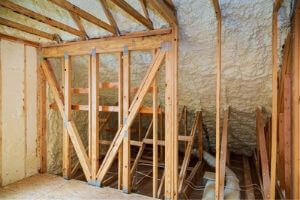
sprayfoamWhen it comes to determining the cause of a drafty house, most people don’t immediately think about their attic. However, if your attic is poorly insulated, it can make it difficult to control your home’s temperature.

As a result, you should not overlook the attic when working to make your home more efficient. Thankfully, spray foam can make this part of the project less daunting.

Using spray foam throughout your attic is a good way to help seal any leaking spots and to make it more efficient. It’s a good place to start your sealing project!

Caulking For Holes in Ceilings, Walls, And Floors

caulkingholesPoorly caulked areas or small holes in your walls, floors or ceilings can allow lots of cold air in your home. What’s even worse, not only does this mean that cold air gets in, but it also means that warm air gets out.

Among other things, this can take a jaw-dropping toll on your utility bill. One way to combat this is by caulking any cracks, holes or gaps in your home. Identify any troubling spots and take a moment to thoroughly caulk them before the cold days of winter arrive.

Weatherstripping For Doors And Windows

weatherstrippingAs you’ve probably noticed, doors and windows are often a source of cold air getting into your home. Even the smallest of gaps in these can lead to a problematic leak.

The best way to address this problem is through weatherstripping. By weatherstripping all of your doors and windows, you can eliminate any drafty spots and help to make your home more comfortable year-round.

Having some gaps or holes in doors and windows is often inevitable, especially if you have an older home. While it’s a hard problem to avoid, the good news is that weatherstripping is a relatively easy solution that will help minimize the problems caused by these leaks.

We hope you’ll take some time this fall to prepare your home for winter by sealing air leaks. The time, money and effort that you spend doing this will be well worth it to make your home more efficient year-round. If you have any questions about this process or need any help keeping your home warm this winter, call Albritton Service Co today at (318) 251-0885.