Uneven Cooling at Home? Why Some Rooms Stay Hotter Than Others

If you’ve got a bonus room, upstairs bedroom, or back-of-the-house den that never quite feels as cool as the rest of your home, you’re dealing with one of the most common comfort complaints we hear across Ruston, Monroe, and West Monroe. Uneven cooling in your home usually isn’t random — it almost always traces back to one of a handful of causes, and most of them are fixable.

At Albritton Service, we run into this every summer: a homeowner has the thermostat set to 72 and the living room feels great, but the master bedroom or upstairs office is stuck five or six degrees warmer. Below, we’ll walk through why this happens and what it actually takes to fix it — from simple DIY checks to the professional solutions that make the biggest difference.

Blocked or Closed Vents Are Restricting Airflow

The simplest cause of a hot room is also the easiest to check: something is blocking the supply vent. Furniture pushed against a register, curtains hanging over a floor vent, or a vent that got closed and forgotten during winter can all choke off the airflow a room needs to cool down.

Walk the house and confirm every supply vent is open and clear. It sounds basic, but we’ve solved more than a few “mystery hot room” calls just by finding a rug or a bookshelf sitting on top of a vent. If every register is open and the room is still warm, the problem is further upstream in the duct system.

Leaky or Poorly Designed Ductwork

Ductwork is the delivery system for your cooled air, and if it’s leaking, undersized, or poorly routed, some rooms simply won’t get their fair share. A duct run with a disconnected joint in the attic, a crushed flex duct behind a wall, or a supply line that’s too long and narrow for the distance it has to travel will all starve a room of airflow before the air ever reaches the vent.

This is especially common in additions and converted spaces — bonus rooms, garage conversions, and finished attics — where ductwork was extended from an existing system that wasn’t sized for the extra square footage. A visual duct inspection, and in some cases a duct pressure test, is the only reliable way to confirm leaks or restrictions that you can’t see behind drywall.

Insulation Gaps Let Heat Sneak Back In

Cooling a room is only half the battle — keeping the heat out is the other half. If a room sits above a garage, backs up to an attic knee wall, or has thinner insulation than the rest of the house, it will absorb outdoor heat faster than your AC can remove it. In North Louisiana’s long, humid summers, that heat load adds up fast, especially on west-facing rooms that catch afternoon sun.

Check attic insulation depth above problem rooms and look for gaps around can lights, attic hatches, and exterior wall penetrations. Insulation issues won’t show up as an airflow problem — the vent can be blowing plenty of cold air and the room will still feel warm because heat is constantly working its way back in.

An Undersized or Aging AC System

Sometimes the issue isn’t distribution at all — it’s capacity. An air conditioner that’s undersized for the home, or one that’s aging and losing efficiency, may keep up fine in the rooms closest to the return but run out of cooling capacity by the time it reaches the far end of the house. This is more common in homes that have added square footage over the years without ever upsizing the original AC system.

Signs that point to a capacity issue rather than a duct or vent problem include the system running almost constantly during peak afternoon heat, higher-than-expected humidity throughout the home, and multiple rooms — not just one — struggling to reach the thermostat setting. If your system is older and you’re noticing uneven cooling alongside rising energy use, it may be time to have it evaluated. Learn more about our air conditioning services or schedule air conditioning repair if your system seems to be struggling to keep up.

The Two-Story “Stack Effect”

Heat rises, which is why upstairs bedrooms in two-story homes are almost always warmer than rooms on the ground floor. Warm air naturally collects on the upper level while cooler air settles downstairs — a phenomenon HVAC pros call the “stack effect.” A single thermostat, usually mounted downstairs, ends up satisfied long before the upstairs actually reaches a comfortable temperature.

This isn’t a sign anything is broken. It’s simply physics working against a single-zone system. The fix isn’t a bigger AC unit — it’s controlling the two levels independently.

Zoning: The Real Fix for Room-by-Room Control

When the root cause is layout, sun exposure, or a two-story stack effect rather than a leak or a blockage, zoning is usually the most effective long-term solution. A zoned system uses dampers inside the ductwork, controlled by multiple thermostats, to send more or less cooled air to specific areas of the home on demand — so the upstairs and downstairs, or the sunny side and shaded side, can each be set independently.

Zoning works alongside duct sealing and insulation fixes rather than replacing them; if there are leaks or capacity issues, those need to be addressed first so the zoning system has enough properly delivered air to work with.

When to Call Albritton

A blocked vent is a two-minute fix. Duct leaks, insulation gaps, capacity issues, and zoning are a different story — they require someone who can actually get into the attic, test airflow at each register, and diagnose what’s really going on room by room. If you’ve checked the obvious stuff and one part of your home still won’t cool down, give us a call at 318-251-0885. We’ve been keeping Ruston, Monroe, and West Monroe homes comfortable since 1982, and as a Carrier Factory Authorized Dealer, we have the tools and training to diagnose airflow and capacity problems accurately rather than guessing. Ask about a free estimate on any recommended repairs or upgrades.

Frequently Asked Questions

Why is only one room in my house always hot?

A single hot room almost always points to a local airflow issue — a blocked or closed vent, a leaking or crushed duct run feeding that room, or an insulation gap that’s letting outside heat in faster than the AC can remove it. Rooms above garages, converted bonus rooms, and additions are especially prone to this.

Is uneven cooling in your home always a sign my AC is broken?

Not necessarily. Uneven cooling is often a duct, airflow, or insulation issue rather than a failing AC unit. That said, if multiple rooms struggle and the system runs constantly without catching up, an aging or undersized unit could be part of the problem, which is worth having evaluated.

Can I fix uneven cooling myself?

Some causes are DIY-friendly, like opening closed vents, moving furniture off registers, and checking for obvious insulation gaps. Duct leaks, capacity issues, and zoning require a professional inspection since the ductwork is usually hidden in attics, walls, or crawlspaces.

What is zoning and do I need it?

Zoning splits your home into independently controlled cooling areas using dampers and multiple thermostats. It’s the most effective fix for two-story stack effect issues or homes with very different sun exposure from room to room, but it works best once any duct leaks or insulation problems have already been addressed.
How Long Does an AC Unit Last in Louisiana’s Climate? When to Plan for Replacement

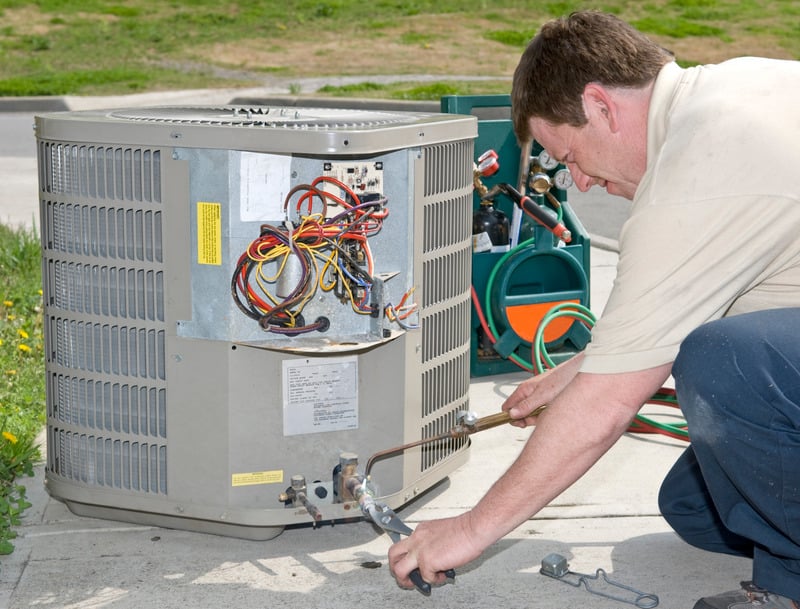
How long does an AC unit last if it’s running almost year-round in North Louisiana? That’s the question we get most from Ruston and Monroe homeowners once their system passes the ten-year mark. The honest answer: it depends on how hard your unit works, how well it’s maintained, and how it was installed in the first place — and our humid, hurricane-season climate puts more strain on equipment than milder parts of the country ever will.

At Albritton Service, we see it every year: a system that “still runs fine” in June suddenly can’t keep up by August, and the homeowner is left deciding between another repair and a full replacement. This guide walks through typical AC lifespan, what shortens it here in North Central Louisiana, the signs replacement is getting close, and how to think through the repair-versus-replace decision without guesswork.

Typical AC Lifespan — and Why Louisiana Shortens It

Most central air conditioning systems are built to last somewhere between 12 and 15 years under normal conditions. That number assumes a moderate climate, regular maintenance, and a system that isn’t running constantly. Ruston, Monroe, and West Monroe homeowners rarely get “normal conditions.”

Here’s why our climate is tougher on equipment:

  • Long, humid summers. Your AC isn’t just cooling the air — it’s constantly pulling moisture out of it. That extra dehumidification workload adds hours of runtime most systems in drier climates never see.
  • Extended cooling season. With mild winters and hot weather stretching from spring into fall, North Louisiana systems often run 7-8 months a year, compared to 4-5 in cooler regions.
  • Humidity and coil corrosion. High ambient humidity accelerates wear on coils, refrigerant lines, and electrical connections over time.
  • Storm season stress. Power surges and outages during hurricane season (June through November) can shorten the life of compressors and electronic components if a system isn’t protected.

The result: many systems here start showing their age closer to the 10-12 year mark rather than the full 15, even when they’ve been reasonably well cared for.

Factors That Determine How Long Your System Actually Lasts

Two identical AC units installed the same year can age very differently. The biggest factors we see in the field:

Maintenance history

A system that gets a seasonal tune-up — coil cleaning, refrigerant check, electrical inspection — every year will almost always outlast one that’s never been serviced. Dirty coils and low airflow force the compressor to work harder, and that added strain adds up year after year.

Installation quality

An AC unit is only as good as its installation. Incorrect refrigerant charge, undersized ductwork, or a system sized wrong for the home can all shorten lifespan dramatically — sometimes cutting years off, even on a premium unit. This is one of the biggest reasons Albritton Service is a Carrier Factory Authorized Dealer: proper installation protects the equipment’s full rated lifespan.

Usage patterns

A system cooling an empty vacation home sees far less wear than one running nonstop to keep a full household comfortable through a Louisiana summer. Thermostat habits, air filter changes, and how consistently a home is cooled all factor in.

Equipment quality and size

Higher-efficiency units with variable-speed components tend to run longer, gentler cycles rather than harsh on/off bursts, which can reduce mechanical wear over the system’s lifetime.

Signs Your AC Replacement Is Getting Close

Rather than watching a calendar, watch your system. These are the signals we look for when a homeowner asks whether it’s time to plan for a new unit:

  • Rising energy bills without a change in usage, which usually means the system is losing efficiency as it ages.
  • Frequent repair calls — especially more than once or twice in a single cooling season.
  • Uneven cooling between rooms that didn’t used to be a problem.
  • Struggling with humidity — the house feels sticky or damp even when the temperature reads “comfortable.”
  • Age past 10-12 years combined with any of the issues above.
  • Outdated refrigerant type in older systems, which can make repairs harder to source and more involved.
  • Unusual noises — grinding, squealing, or a compressor that struggles to start.

Any one of these on its own might just mean a repair. Several together, especially on a system already past the decade mark, is usually a sign it’s time to start planning ahead rather than waiting for a mid-summer breakdown.

Repair or Replace? How to Think It Through

There’s no single rule that fits every home, but a few questions help guide the decision:

  • How old is the system? A repair on a 5-year-old unit is a very different conversation than the same repair on a 13-year-old one.
  • Is this a recurring issue or a one-time fix? Repeated failures of different parts often signal the system as a whole is wearing down, not just one component.
  • Would a repair address the root cause? Sometimes a repair fixes the immediate problem but doesn’t solve underlying efficiency loss or capacity issues.
  • What’s the comfort and efficiency gap? Newer systems are often significantly more efficient, which matters a lot given how many months our systems run each year.

We won’t quote exact numbers here since every home, system, and repair scope is different — but our technicians will walk you through your specific situation honestly, including whether a repair makes sense or whether you’re better off putting that money toward a new system. If you’d like a clear, no-pressure look at your options, our air conditioning installation team can evaluate your current setup and give you a straight answer.

Protecting Your Investment Either Way

Whether you’re keeping your current system running a few more years or planning a replacement, regular maintenance is the single biggest thing you can do to extend its life. Seasonal air conditioning check-ups catch small issues — a failing capacitor, a slow refrigerant leak, dirty coils — before they turn into bigger, more expensive failures. Pairing your system with proper indoor air quality equipment, like a dehumidifier, can also ease the workload your AC carries during our most humid stretches, since the unit isn’t fighting moisture on its own.

When to Call Albritton Service

If your system is showing any of the signs above, or you’re simply trying to plan ahead before your AC becomes an emergency, give us a call at 318-251-0885. Since 1982, we’ve helped homeowners across Ruston, Monroe, West Monroe, and North Central Louisiana keep their systems running as long as possible — and know exactly when it’s time to replace rather than repair. As a Carrier Factory Authorized Dealer, we can walk you through options built for our climate, not a generic sales pitch.

Frequently Asked Questions

How long does an AC unit last in Louisiana compared to other states?

Nationally, AC units often last 12-15 years. In North Louisiana’s heat and humidity, many systems show significant wear closer to 10-12 years due to longer runtimes and higher humidity loads, even with good maintenance.

Does regular maintenance really extend the life of my AC unit?

Yes. Annual tune-ups that clean coils, check refrigerant levels, and inspect electrical components reduce the strain on your compressor and other parts, which is one of the most effective ways to get closer to the full expected lifespan of your system.

Is it better to repair an aging AC unit or replace it?

It depends on the system’s age, how often it’s needed repairs, and whether the issue is isolated or a sign of broader wear. Our technicians can evaluate your specific system and give you an honest recommendation rather than a one-size-fits-all answer.

What’s the biggest factor in how long a new AC unit will last?

Installation quality. A correctly sized system with a proper refrigerant charge and well-designed ductwork will last significantly longer than the same equipment installed incorrectly, which is why choosing a qualified installer matters as much as the equipment itself.

AC Running But Not Cooling? 7 Things to Check in the Louisiana Heat

It’s the worst feeling on a July afternoon in Ruston: you walk in from the heat, the air conditioner is humming along like it should, and the house is still warm. An AC running but not cooling is one of the most common calls we get at Albritton Service Company, especially once North Louisiana’s humidity and afternoon heat really settle in.

The good news is that not every “warm house, running AC” problem means a major repair. Some causes are things you can check yourself in five minutes. Others point to a bigger issue that needs a trained technician. Here are seven things we tell homeowners to check first, and how to know when it’s time to pick up the phone.

1. Start With the Thermostat Settings

Before you assume the worst, rule out the simplest explanation. Make sure the thermostat is set to “Cool,” not “Fan,” and that the set temperature is actually below the current room temperature. It sounds obvious, but we’ve been called out plenty of times to find a thermostat accidentally bumped by a curious pet or a child reaching for a light switch.

If your thermostat has a battery-powered display, check that the batteries aren’t dying. A weak signal can cause the unit to run without properly communicating with the outdoor condenser, which leaves you with an AC running but not cooling the way it should.

2. Check the Air Filter

A dirty air filter is one of the most common — and easiest to fix — reasons an AC runs constantly without cooling. When the filter is clogged with dust, pet hair, or pollen, airflow across the indoor coil drops sharply. Less airflow means less heat exchange, so the air coming out of your vents feels weak or barely cool at all.

In our part of Louisiana, with pollen season and high dust loads, we recommend checking filters monthly during peak cooling season and replacing them every one to three months depending on your household. If yours looks gray or matted, swap it out and give the system a couple of hours to catch up before you decide anything else is wrong.

3. Look at the Outdoor Condenser Unit

Your outdoor condenser needs open airflow to release the heat pulled from inside your home. If it’s crowded by overgrown shrubs, grass clippings, cottonwood fluff, or leaves, it can’t do its job efficiently. This is especially common after a summer of afternoon thunderstorms, which tend to wash debris right up against the unit.

Turn off the system, clear away any debris by hand, and gently rinse the outer fins with a garden hose from the top down (never a pressure washer — it can bend the delicate fins). Give the unit at least two feet of clearance on all sides. A dirty or blocked condenser is a frequent, fixable reason for an AC running but not cooling well in the summer heat.

4. Watch for a Frozen Evaporator Coil

If you’ve noticed weak airflow along with ice building up on the indoor coil or the refrigerant line outside, your system likely has a frozen evaporator coil. This usually happens as a downstream effect of restricted airflow (a dirty filter, closed vents, or a struggling blower motor) or low refrigerant.

If you see ice, turn the system off completely — including the thermostat — and let it thaw fully, which can take several hours. Do not chip at the ice or run the compressor while it’s frozen; that can cause serious damage to the compressor. Once thawed, replace the filter and open any closed vents. If the coil freezes again, that’s a sign of an underlying issue that needs a professional diagnosis.

5. Consider Low Refrigerant

Refrigerant absorbs heat from your indoor air and releases it outside. Unlike fuel, it isn’t “used up” during normal operation — low levels almost always mean a leak somewhere in the line set or coils.

Low refrigerant is a classic cause of an AC running constantly while barely cooling the house, often paired with hissing sounds, ice on the lines, or higher-than-normal indoor humidity. This is not a DIY fix — handling refrigerant requires EPA certification and specialized equipment to find and repair the leak and recharge the system correctly. If you suspect this, it’s time to call a technician.

6. Inspect for Ductwork Problems

Sometimes the equipment works fine, but cool air never reaches your living space. Leaky, disconnected, or poorly insulated ductwork — especially runs through a hot attic, common in Ruston-area homes — can lose a meaningful share of conditioned air before it reaches a vent.

Signs include some rooms feeling noticeably warmer than others, a musty smell when the system runs, or ductwork you can see is disconnected in the attic. Duct issues are worth having assessed by a professional, since sealing and insulating attic ducts properly in our heat and humidity takes the right materials and technique.

7. Factor in the Age of Your System

If your AC is nearing or past the 12-to-15-year mark, reduced cooling capacity can simply mean the system is nearing the end of its service life. Components wear down, efficiency drops, and older units struggle more in North Louisiana’s long, humid cooling season than they did when new.

An aging system that’s technically running but can’t keep up with the heat is a capacity problem, not a broken part. At that point, a technician can help you weigh continued repairs against replacing the system with a more efficient model built for our climate.

When to Call Albritton Service

If you’ve checked the thermostat, swapped the filter, and cleared debris from the condenser, and you’re still dealing with an AC running but not cooling your Ruston-area home, it’s time to call a professional. Frozen coils, refrigerant leaks, ductwork problems, and aging equipment all require diagnostic tools and training to fix correctly and safely.

At Albritton Service Company, we’ve been keeping North Louisiana homes comfortable since 1982. As a Carrier Factory Authorized Dealer, our technicians can diagnose the real cause of your cooling problem, not just treat the symptoms. We offer AC repair service throughout Ruston, Monroe, West Monroe, and surrounding communities, with 24/7 emergency availability when your comfort can’t wait.

If your system is older and repairs keep piling up, ask us about AC installation options built for Louisiana summers. And if sticky, uncomfortable air is part of the problem, ask about whole-home dehumidifier solutions that take some of the load off your cooling system.

Give us a call at 318-251-0885 to schedule a diagnostic visit, day or night.

Frequently Asked Questions

Why is my AC running constantly but not cooling my house?

The most common causes are a dirty air filter restricting airflow, a dirty or blocked outdoor condenser, low refrigerant from a leak, a frozen evaporator coil, or an aging system that can’t keep up with Louisiana’s heat and humidity. Start with the filter and condenser, since those are easiest to check yourself.

Is it safe to run my AC if it’s blowing warm or barely cool air?

If you notice ice on the coil or refrigerant lines, turn the system off right away and let it thaw before running it again. Otherwise it’s generally fine to keep the system on while troubleshooting simple issues like the thermostat or filter, but don’t let it run for days without cooling.

How much does it cost to fix an AC that’s running but not cooling?

Cost depends entirely on the cause, from a simple filter change to a refrigerant leak repair or component replacement. We don’t provide estimates over the phone since every situation is different — call 318-251-0885 and we’ll schedule a technician to diagnose the issue and give you a clear estimate before any work begins.

Can I recharge my own AC’s refrigerant?

No. Refrigerant handling requires EPA certification and specialized equipment. Adding refrigerant without finding and fixing the underlying leak just delays the problem and can damage your system further. This is a job for a licensed HVAC technician.

How often should I check my air filter to prevent cooling problems?

During peak cooling season in North Louisiana, check your filter monthly and replace it every one to three months depending on your home, pets, and filter type. A clean filter is one of the simplest ways to prevent your AC from running without properly cooling your home.

Beat the Louisiana Heat: How to Keep Your Ruston Home Cool and Lower Energy Bills

If you want to keep your home cool in Ruston once the summer humidity settles in, you already know it takes more than just cranking the thermostat down. North Louisiana summers push your air conditioner hard for months at a stretch, and every degree you fight against the heat shows up on your electric bill.

At Albritton Service, we see it every year: homeowners who wait until the first 95-degree week to think about their cooling system, then wonder why their bills spike and their AC struggles to keep up. The good news is that a handful of simple habits and a little seasonal upkeep can make a real difference in comfort and cost — no major renovation required. Here’s what actually works.

Start With Smart Thermostat Habits

The easiest way to lower your cooling costs is also the cheapest: adjust how and when you use your thermostat.

  • Set it and leave it. Constantly bumping the temperature up and down makes your system work harder to catch up. Pick a comfortable setting and stick with it during the day.
  • Raise it a few degrees when you’re away. You don’t need to cool an empty house to the same temperature as an occupied one. A programmable or smart thermostat can handle this automatically.
  • Use ceiling fans to feel cooler at a higher setting. Moving air feels several degrees cooler than still air, which means you can raise the thermostat without losing comfort.

If you’re still using an old dial thermostat, upgrading to a programmable or smart model is one of the most cost-effective changes a Ruston homeowner can make.

Seal and Insulate Before the Heat Sets In

Even a well-maintained air conditioner can’t keep a leaky house cool efficiently. Conditioned air escaping through gaps and poor insulation is one of the most overlooked reasons energy bills climb every summer.

Check These Common Trouble Spots

  • Gaps around windows and exterior doors — a simple weatherstripping or caulk job seals most of these
  • Attic insulation, which affects how much heat radiates down into your living space
  • Duct connections in the attic or crawlspace, where leaks let cooled air escape before it ever reaches a vent

You don’t have to inspect every inch yourself. If a room always feels warmer than the rest of the house, or your ductwork runs through an unconditioned attic, that’s worth having a professional take a look at as part of a broader air conditioning service visit.

Keep Your AC System Running Efficiently

Your air conditioner is doing the heavy lifting all summer, and how well it’s maintained directly affects both comfort and your power bill.

  • Change your air filter regularly. A clogged filter restricts airflow, forcing your system to run longer and harder to reach the same temperature.
  • Keep the outdoor unit clear. Grass clippings, leaves, and overgrown shrubs around your condenser block airflow and reduce efficiency.
  • Schedule seasonal maintenance. A tune-up before peak summer catches small issues — like low refrigerant or worn components — before they turn into a breakdown during the hottest week of the year.

An AC unit that isn’t running at full efficiency has to work longer to hit your set temperature, which means higher bills and more wear on the system. Regular air conditioning repair and maintenance keeps small problems from becoming expensive ones.

Manage Humidity, Not Just Temperature

North Louisiana summers aren’t just hot — they’re humid, and humidity plays a big role in how cool your home actually feels. A home at 74 degrees with high humidity can feel warmer and stickier than a home at 76 degrees with humidity under control.

Your central air conditioner does remove some moisture as part of normal operation, but in especially humid stretches, it may not be enough on its own. A whole-home dehumidifier paired with your AC system can help you stay comfortable at a slightly higher thermostat setting, which eases the load on your cooling system and can lower your energy use over the season.

Block Heat Before It Gets In

Reducing the heat that enters your home in the first place means your AC doesn’t have to work as hard to remove it.

  • Close blinds or curtains on windows that get direct afternoon sun — this is often the single biggest source of heat gain in a room.
  • Run heat-generating appliances (oven, dryer) during cooler morning or evening hours instead of the hottest part of the afternoon.
  • Use exhaust fans in the kitchen and bathroom to vent heat and humidity outside rather than letting it build up indoors.

None of these steps require a big investment, but together they add up to noticeably lower demand on your cooling system throughout the day.

When to Call Albritton Service

Some issues — short-cycling, uneven cooling room to room, rising bills with no clear cause, or an AC that runs constantly without hitting the set temperature — point to something beyond routine upkeep. That’s when it’s time to bring in a professional rather than guess.

Albritton Service has served Ruston, Monroe, West Monroe, and the surrounding North Central Louisiana communities since 1982. As a Carrier Factory Authorized Dealer, we know how to keep your system running efficiently through even the toughest Louisiana summer. If your cooling bills feel out of line or your AC isn’t keeping up, give us a call at 318-251-0885 for a free estimate — we don’t guess at pricing over the phone, but we can walk you through your options once we’ve had a look.

Frequently Asked Questions

What temperature should I set my thermostat to in the summer?

There’s no single “correct” setting — it depends on your household’s comfort and how much you’re willing to spend on cooling. What matters more is consistency: picking a setting and avoiding constant adjustments, and using fans to feel comfortable at a slightly higher setting, both help reduce strain on your system.

How often should I change my air filter during summer?

Filters generally need more frequent changes during peak cooling season since your system is running more often. If you’re unsure how your filter is holding up, it’s worth checking monthly during the hottest stretch and replacing it as soon as it looks dirty or clogged.

Can better insulation really lower my energy bill?

Yes. If your air conditioner is cooling air that then leaks out through gaps, poor insulation, or leaky ductwork, it has to run longer to maintain the temperature you’ve set. Sealing those losses means your system reaches and holds your target temperature with less run time.

Do I need a dehumidifier if I already have central air conditioning?

Not always, but in especially humid parts of North Louisiana summer, a whole-home dehumidifier can take pressure off your AC and make your home feel more comfortable at a higher thermostat setting. If your home always feels sticky even when the temperature seems fine, it’s worth asking us about during a service visit.

Spring AC Startup: A 7-Point Checklist for Northern Louisiana Homeowners

As temperatures start climbing across Ruston, Monroe, and Northern Louisiana, it’s time to think about switching your HVAC system from heating mode to cooling. But before you flip that thermostat, a quick spring startup routine can prevent breakdowns, lower energy bills, and extend the life of your air conditioning system.

At Albritton Service, we’ve been helping Louisiana families prepare their AC systems for summer for over 40 years. Here’s our recommended 7-point checklist to get your system ready.

1. Replace or Clean Your Air Filter

This is the single most impactful thing you can do for your AC system. A dirty filter restricts airflow, forces your system to work harder, and drives up energy costs. If you haven’t changed your filter since fall, it’s long overdue.

  • Standard 1-inch filters should be replaced every 30-60 days
  • 4-inch media filters last 3-6 months
  • If you have pets or allergies, replace more frequently

Not sure which filter your system takes? Our team can help you find the right AC filter replacement for your unit.

2. Clear Debris from Your Outdoor Unit

Your outdoor condenser unit has been sitting through Louisiana’s winter — collecting leaves, dirt, pine needles, and debris. Before you run the AC, clear at least two feet of space around the unit on all sides. Trim back any vegetation that’s grown too close over the winter months.

3. Check Your Thermostat Settings

Switch your thermostat from “heat” to “cool” and set it a few degrees below room temperature to test. If you still have an older manual thermostat, consider upgrading to a programmable or smart thermostat — it can save 10-15% on cooling costs by automatically adjusting when you’re away or sleeping.

4. Inspect Your Ductwork for Obvious Issues

Walk through your home and check visible ductwork in attics, crawl spaces, and basements. Look for disconnected joints, visible holes, or duct tape that’s peeling away. Leaky ducts can waste 20-30% of your conditioned air before it ever reaches your living spaces.

5. Test the System Before You Need It

Don’t wait until the first 90-degree day to find out your AC isn’t working. Run it now while the weather is mild. Let it cycle for 15-20 minutes and check that:

  • Cool air is coming from all vents
  • The outdoor unit fan is spinning
  • No unusual noises — grinding, squealing, or banging
  • No strange odors when the system kicks on

If anything seems off, it’s much easier to schedule an AC repair now than in the middle of a July heat wave when every HVAC company in Lincoln Parish is booked solid.

6. Check Your Air Handler and Indoor Unit

Your indoor air handler works year-round, but spring is a good time to visually inspect it. Look for standing water around the unit (which could indicate a clogged condensate drain), check that the drain line is clear, and make sure nothing is stored against the unit blocking airflow.

7. Schedule a Professional Tune-Up

A professional spring tune-up catches problems a visual inspection can’t — low refrigerant levels, worn capacitors, dirty evaporator coils, and electrical connection issues. Annual maintenance also keeps your manufacturer warranty valid and can extend your system’s lifespan by several years.

Albritton Service offers Proactive Service Agreements that include annual tune-ups, priority scheduling, and discounts on repairs — so you’re always ahead of the weather.

Don’t Wait Until Summer Hits

Northern Louisiana summers are brutal and they arrive fast. Taking 30 minutes now to run through this checklist — and scheduling a professional tune-up — can save you from an emergency breakdown when you need your AC the most. Albritton Service has been keeping Ruston, Monroe, West Monroe, and the surrounding communities cool and comfortable since 1982. Contact us today to schedule your spring AC checkup.

Common Signs Your AC Needs Repair in Monroe, LA

Common Signs Your AC Needs Repair in Monroe, LA

When the Louisiana heat kicks in, the last thing you want is an air conditioner that’s struggling to keep up. If you’ve noticed your AC isn’t working as efficiently as it should, it might be time for an AC repair in Monroe. At Albritton Service Company, we help homeowners stay cool with expert air conditioning repair in Monroe and regular AC tune-ups to prevent costly breakdowns. Here are some common signs your AC needs attention.

1. Weak Airflow

If your AC is running but barely pushing out any cool air, there could be a problem with your air ducts, compressor, or fan. Weak airflow can make your system work harder than necessary, leading to higher energy bills and reduced comfort.

2. Warm Air Coming from Vents

Your AC should be blowing crisp, cool air. If you feel warm or room-temperature air instead, it could be due to low refrigerant levels, a faulty compressor, or thermostat issues. Scheduling an air conditioning repair in Monroe can help identify and fix the problem before it worsens.

3. Unusual Noises

Air conditioners typically hum softly when running, but loud clanking, banging, or screeching noises signal trouble. These sounds could indicate loose or broken components that need immediate repair. Ignoring unusual noises can lead to more expensive damage down the line.

4. Frequent Cycling

Does your AC turn on and off more frequently than usual? Short cycling can be caused by overheating, thermostat malfunctions, or dirty filters. If left unchecked, frequent cycling can lead to increased wear and tear on your unit, shortening its lifespan. A professional AC tune-up in Monroe can help correct this issue and keep your system running efficiently.

5. High Energy Bills

If your energy costs have spiked unexpectedly, your AC may be working harder than it should. Clogged filters, refrigerant leaks, and failing components can all cause your system to lose efficiency. Regular maintenance and timely repairs can help keep your utility bills under control. If your AC unit is older, you may also want to consider upgrading to a more energy-efficient system to save on long-term costs.

6. Excess Humidity Indoors

Louisiana summers are already humid, but your AC should help manage indoor moisture levels. If your home feels damp or sticky even with the AC running, it may be time for an AC inspection. Poor humidity control can lead to mold growth, which can negatively affect indoor air quality and your family’s health.

7. Strange Odors

A musty smell could indicate mold growth in your unit or ductwork, while a burning odor might point to an electrical issue. Either way, unusual smells should never be ignored. If your AC smells like something is overheating, turn it off immediately and call for professional AC repair in Monroe.

8. Leaking or Pooling Water

Your AC unit relies on refrigerant and a drainage system to remove condensation. If you notice water pooling around your unit, it could be a sign of a clogged drain line or refrigerant leak. Refrigerant leaks can be dangerous and should always be handled by a professional.

How to Prevent Costly AC Repairs

The best way to avoid sudden AC breakdowns is through routine maintenance. Scheduling an AC tune-up in Monroe at least once a year ensures your system is running smoothly and efficiently. During a tune-up, our technicians will clean coils, check refrigerant levels, inspect wiring, and ensure all components are in good working condition.

Get Expert AC Repair in Monroe, LA

If you’re experiencing any of these issues, don’t wait until your AC breaks down completely. Albritton Service Company offers expert air conditioning repair in Monroe to keep your home cool and comfortable. Our experienced technicians are here to diagnose and fix any AC issue before it becomes a bigger problem.

Call us today at 318-251-0885 to schedule your AC repair or AC tune-up in Monroe and stay ahead of the summer heat!

Upgrade Your Room Temperature With AC Installations

bedroominstallations

Now more than ever we are seeing people downgrade their large homes for smaller more efficient homes! The small spaces are perfect for having more energy efficient, less maintenance, lifestyle. Many people, even if they’re not ready to make the ultimate move to a tiny house, are opting to be more comfortable in spaces the size of a bedroom.

With this growing trend in mind, we have seen a shift to more size friendly Air Conditioner systems. If you are one of the many that have decided to focus on less excess, there is no need to give up the comfort an AC system can provide you in the hot summer months.

In this article, we will go over the different options that are available for you! Whether you are ready to move to a tiny home, or you just want to have optimal cooling in your bedroom, we have the answers! Having an AC installation in a small space is now easy to achieve!

Pros and Cons of Portable AC’s

portableairconditionersPortable AC units are becoming more popular and for good reason. They are an effective way to cool a specific area under the right circumstances. Portable air conditioners are free-standing.

They use a system of ducts/hoses that pull in outside air to be cooled and release the hot and humid air to the outside. Depending on your situation, a portable unit could be right for you!

If you live in an area that has “average” summer temperatures, you are enclosed in a small space and prefer natural light, this may be the best option for you. Portable systems do not go in windows, so you are not taking up space there.

They are also a cheaper alternative to central air, and they are easy to install. Another advantage is that they are easy to move if need be, and can be stored away for the winter. On the other hand, portable air conditioners are not recommended for larger areas as they will not have the power to effectively cool the area.

Some models can also be noisy, and they can take up space in a small area. Under the right circumstances, portable AC’s have been a very efficient way for people, who have opted for smaller living spaces, to cool their homes.

How Does a Ductless HVAC System Work?

A ductless HVAC system, also called a mini-split air conditioner, actually works much as a regular central air systems works; without the ducts. Generally speaking, you will have two separate parts of the system; an indoor and outdoor unit.

  • ductlesshvacsystemIndoor Unit- The indoor part of the ductless system is what takes the warm air from your home and cools it. This is done by the system moving the warm and humid air over refrigerant coils,
  • Outside Unit- The outside unit is what the refrigerant will use to get rid of the warm and humid air it collected in the indoor unit.

In a normal HVAC system, the refrigerant coils are usually located in the basement or attic. The cooled air is then circulated throughout your house by the duct system. In the case of a ductless system, your indoor unit is inside the room it is cooling;’ thus eliminating the need for ducts.

Many homeowners have opted for this system as it allows them to cool a specific area. It is also beneficial when the cost of central air is too much, or simply not necessary for the size of the space.

Opt For a Smart Thermostat

smartthermostatsWe have definitely seen an increase in smart technology over the years. From smart homes to smart thermostats, we are now able to control the temperature of specific areas of our house with just a touch.

Smart thermostats are connected to your AC unit, and can usually be downloaded to an app on your phone. This can give you the ability to turn the AC on when you get out of work or regulate the temperature while you are away on vacation.

As you are able to have more control, smart thermostats can save you a considerable amount on your energy costs. You can also have your thermostat work in conjunction with other smart home features; such as turning on the AC when the lights go on.

Call Us For Your Bedroom AC Installation

Albritton Service Co gives quality solutions fast! Our certified technicians are available for all of your AC installation needs. We are also available for repairs and maintenance as they are needed. Call us today to set an appointment at (318) 251-0885.

We have provided reliable and trusted service since 1982. We are a leader in new technology and are equipped to keep you cool this summer! Call us today!

Behind the HVAC Scenes: Who Invented the AC & Heating Unit?

invent


In modern times, we may be used to just flipping a switch or entering in a few numbers to enjoy heating and cooling comfort in our homes, but it wasn’t always that way. For centuries, fire was the main source of home heating, then came the radiator and various forms of the home furnace.

Before the concept of the chimney was created, smoke from fires was ventilated through open windows or cracks and holes in ceilings. The Ancient Romans may have created the first heating and cooling systems, using water piped from aqueducts to get the job done.

Things like open courtyards to promote airflow through buildings and creating “cross drafts” by aligning two openings in a building were also used for cooling before electricity, fans, and the modern air conditioner.

AC Invention

inventionModern air conditioning was invented way back in 1902 by Willis Haviland Carrier.
As happens with many revolutionary inventions, this one came about by simple observation followed by a memorable “what if” moment.

As Carrier stood on a train platform in Pittsburgh in the fog, he figured that he could dry air if he first passed it through water to create fog. Then, he could create air that contained specific amounts of moisture in it.

It was less than a year after this revelation that his humidity controlling device was complete, and the first prototype of the modern air conditioner was born.

The Modern Day HVAC System

hvacA heating unit or air conditioning unit in the modern world includes many different parts that need to work together to control the indoor environment successfully.

Whether Willis Carrier foresaw just how complex HVAC systems would become remains unknown, but here are some of the main components and what they do:

Thermostat – this component is the one we are all familiar with, as it lets us control the indoor temperature as part of a heating unit or air conditioning unit.

Heat Exchanger – this part is found inside the housing of your furnace, and it switches on when you set your thermostat to provide more heat. Its job is to pull in cool air, heat it, and then send it back out.

Evaporator Coil – this is part of your air conditioning unit and plays an opposite role to the heat exchanger, cooling the air when you set your thermostat to a lower temperature.

Furnace – your furnace is the main part of your HVAC system and is usually in the basement of the house. The furnace may be powered by natural gas, propane, electricity, a heat pump, or solar energy.

Condensing Unit – this part is connected to the evaporator coil and is filled with refrigerant gas to be used as part of your AC system.

Refrigerant Lines – these lines are used to carry refrigerant to the condensing unit in the form of vaporized gas.

Ductwork – your ducts act as the highways to carry heated or cooled air to the various rooms in your home. Ducts are typically made from a lightweight aluminum, but other materials may also be used.

How Old Is Your Air Conditioner?

oldThe age of your air conditioning unit is one of the most important factors when it comes to the decision to get new AC or not.

Many professionals recommend replacement if your AC is more than 15 years old because newer units are far more energy efficient and eco-friendly. Every air conditioning unit will have a Seasonal Energy Efficiency Ratio, or SEER.

The minimum number today is 13, but if you have an older AC, it’s likely rated lower. Every point on the SEER scale represents a 5 to 9 percent increase in energy efficiency. You can find out the age of your air conditioner by taking a look at the nameplate on the outdoor condenser.

If you’d like to learn more about installing a new AC system in your Ruston, LA home, give us a call today at 318-251-0885, and we will help get the process started.

Installing Central AC in an Old House Without Mistakes

howinstall

Contrary to popular belief, you CAN have a central air conditioner installation in your older home and still retain its old world charm. It can be done quickly and without mistakes when you hire a reputable central air conditioning contractor.

If your old house does not have the required ductwork, you will need to install that. Many homeowners of older homes cringe at the thought of having to make holes in the walls for fear of losing the home’s original character. If this is you, don’t worry, you can still have central AC in your old house.

You will want to hire a licensed central air conditioner expert who has experience working and installing central AC in older homes.

Right Size is Important

When it comes to central air conditioners, size matters. A common mistake people make is getting an AC unit that is too big for their square footage. A unit that is too big will not operate properly. It will cycle on and off too frequently, thus not allowing for a full cycle to run.

You will see the difference in your monthly energy bill. Determine the right size AC you need by simply multiplying the home’s size in square feet by 25, divide that by 12,000 and then subtract .05. This will equal the correct size AC in tonnage.

Make sure you bring in a certified central air conditioner company to properly install central AC in your older home. Also, consider these factors when shopping for a new AC system:

    “selectright”

  • How old is the house?
  • What is the square footage of the space?
  • Is the place well insulated?
  • Will you need to add ductwork?
  • How many windows are in the home?
  • Repair door jams, and old windows that allow drafts inside.

No Ducts Required

“noducts”Because the majority of older homes do not already have the ductwork needed for central air conditioning, you will have to include this expense in addition to the unit and the labor.

Adding ducts to an old home will require walls to be torn and ceilings to be lowered. Many owners of older homes don’t want to do this for fear of diminishing the old house’s charm and character.

This doesn’t mean you can’t have central AC in your older house. You can skip all the demolition by installing a ductless HVAC system. These systems are high-quality and efficient and will keep you cool in your old home. These ductless HVAC systems also referred to as mini-split systems, send cool air through smaller ducts that are snaked into the walls and ceilings without any messy demolition.

What You Can Expect to Pay

“averagecost”Installing central air conditioner is not as expensive as you might think. Depending on whether or not you will need demolition work, you may spend between $3,500 to $4,000 for the installation and the unit itself.

Probably one of the more significant investments you will make on your property is the addition of a cooling system. Not only will it provide occupants with cool comfort when it’s hot outside, but it t will also keep indoor air quality in check and boost your property value considerably.

Be sure to enlist the services of a reputable central air conditioner contractor, like Albritton Services in Ruston, LA. They will be glad to discuss how you can add central AC to your older home, without making mistakes in the process.

Winning the Carrier President’s Award in 2018

President's Award

When it comes to providing exceptional care and outstanding service to our customers, we believe that every call is a chance for us to prove our abilities. Whether you need a simple air filter changing or a comprehensive furnace installation, each job is always completed with the utmost care and consideration.

It’s these beliefs and values that led to us winning the Carrier President’s Award this year, and our team could not be more proud to receive this distinguished honor, as we are the only dealer in Louisiana that won on 2018.

About the Award

presidentsawardThe Carrier President’s Award is the highest achievable honor for Carrier dealers. This is a pretty big deal considering that Carrier dealers are already held to the highest standards thanks to the exceptional product they’re working with.

But the President’s Award is given out annually to recognize the specific dealers who show exceptional leadership, management, customer satisfaction, and overall excellence. The amount of winners varies depending on the number of dealers and thus it fluctuates, this year 6% of Carriers Dealers won the President’s Award, including 20% of Carrier Factory Authorized Dealers.

The last President’s Award was won on 2014, so being placed on this list shows that our company is committed to exceeding both the expectations of our clients as well as the expectations we hold for ourselves,

More About Carrier

More on CarrierCarrier is one of the most trusted brands in HVAC systems in the world, which is why we choose it for our local Ruston, LA customers. With a long and storied history, Carrier was actually the first company to invent the modern air conditioning system.

In 1902, Wilson Carrier invented a way to control the indoor temperature of a building through an air conditioner, and the rest is history. Since then, AC systems have been used in industry, business, and homes around the world. In fact, it’s doubtful that the world would have been able to move forward as such without it.

Since then, Carrier has been at the forefront of HVAC innovation. Between discovering new and efficient ways to heat and cool your home to leading in home automation and smart thermostats, you can trust Carrier for all your heating, cooling, and air quality needs in both a commercial and residential setting. With groundbreaking efficiency and modern technology, Carrier is the top choice for property owners and discerning HVAC dealers across the globe.

Our Services

ServicesAs a Carrier President’s Choice winner for 2018, we are committed to being role models in the industry. Both homeowners and commercial clients can feel confident looking to us for best practice tips and reliable HVAC advice. No job is too small or too complicated for us.

From improving efficiency with AC maintenance or a furnace inspection to installing new products like modern furnaces, ductless mini split AC systems or smart thermostats, we have all your HVAC and electrical services covered. We are leaders in the industry and our expert; award-winning advice will help you save money and remain comfortable in your home or business all year long.