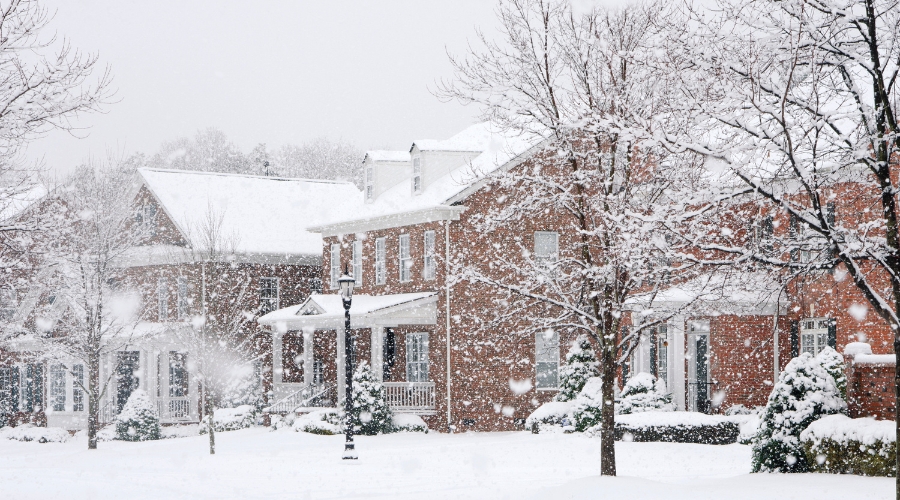
While Ruston, LA, is not typically associated with extreme winter weather, occasional snowstorms can still surprise residents. Preparing your home for winter storms is crucial to ensure the safety and comfort of your family.
Let’s explore some key tips to safeguard your home’s HVAC system, electrical components, and highlight the importance of having a generator to weather the challenges of a winter storm.
HVAC System Preparations
- Inspect and Insulate:
Before winter arrives, have your HVAC system inspected by a professional. Ensure that it is in good working condition and well-insulated to retain heat effectively. Consider adding insulation to windows and doors to minimize heat loss. - Seal Leaks:
Seal any gaps or leaks in your home’s windows, doors, and ductwork. This not only helps in retaining heat but also prevents cold air from infiltrating your living spaces. - Programmable Thermostat:
Invest in a programmable thermostat to regulate your home’s temperature efficiently. Program it to lower the temperature when you’re away and raise it when you return, optimizing energy usage and keeping your home comfortable.
Electrical System Safety
- Check for Leaks:
Inspect your home for potential drafts and seal any gaps. This not only helps conserve energy but also protects your electrical components from exposure to harsh winter conditions. - Install Surge Protectors:
Winter storms can bring power fluctuations. Install surge protectors to safeguard sensitive electronics and appliances from damage caused by power surges. - Emergency Lighting:
Equip your home with emergency lighting, such as battery-powered or generator-supported lights. Winter storms can lead to power outages, and having alternative lighting sources enhances safety.
Generator Tips
- Choose the Right Generator:
Invest in a generator suitable for your home’s power needs. Standby options like a Generac whole-home generator start automatically the moment the power goes out. Consider essential appliances like heating systems, refrigerators, and medical equipment when selecting the appropriate size. - Fuel and Maintenance:
Ensure your generator is well-maintained and fueled. Regularly check the oil levels, perform maintenance tasks, and store an adequate supply of fuel in a safe location. - Professional Installation:
Have your generator professionally installed to guarantee optimal performance and safety. Proper installation ensures that your generator operates seamlessly during a power outage.
Preparing your home for a winter storm in Ruston, LA, demands a proactive approach to HVAC, electrical, and generator readiness. By following these tips, you can enhance your home’s resilience, keep your family warm and safe, and minimize disruptions during winter storms. Stay prepared, stay warm, and face the winter with confidence!
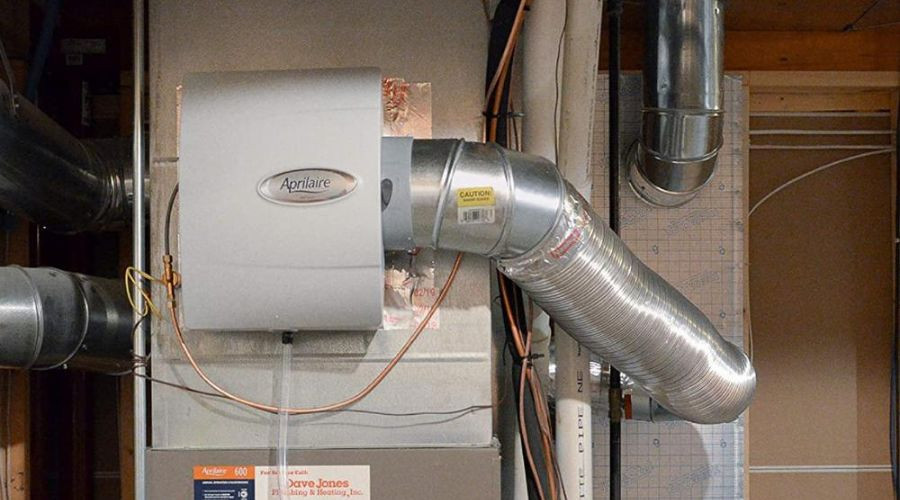
 One consequence of cold, dry air that almost everyone is familiar with is dry skin and hair. With so little humidity, the skin’s natural barriers tend to break down, and much of the body’s moisture is lost to evaporation. This can leave skin dry, itchy, and flaky, even if it may crack and bleed – particularly for those with dry skin. Of course, dry skin means a dry scalp, which can leave hair deprived of vital moisture and nutrients. This is why many people struggle with dry, brittle hair or an itchy, flaky scalp during the winter.
 Just as dry air can have all sorts of negative consequences for the human body, it can also wreak havoc on

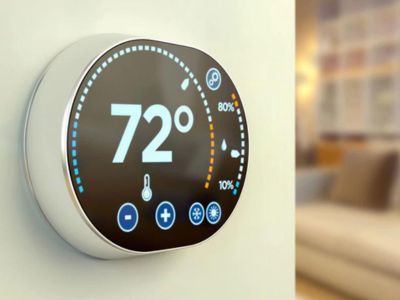 Smart thermostats offer homeowners control over their
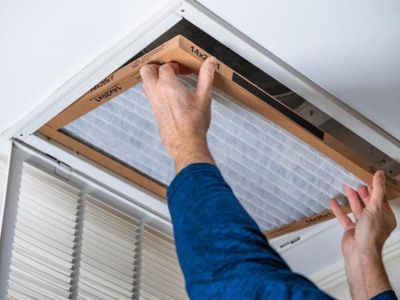 Energy is one of the nation’s leading authorities on energy-efficient habits. The organization suggests that, at minimum, a homeowner should change their HVAC’s air filter once every three months. This allows the HVAC system to filter contaminants from the air and promote good

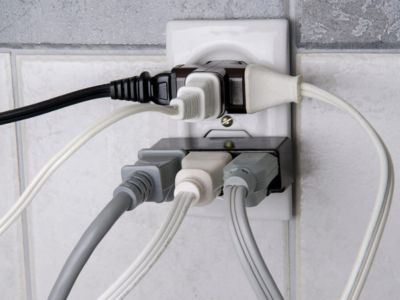 One of the biggest dangers during the holidays is overloading circuits around the home. This problem has become less prevalent with the advent of
 The electrical system in a home can be neglected for long periods. Most people don’t make a point to inspect every switch and outlet in their home unless there is a problem. In reality, that isn’t necessary. However, learning the signs that electrical problems are about to play tricks during Halloween is easy. For owners that will be decorating and making preparations around the home, simply look out for signs like:
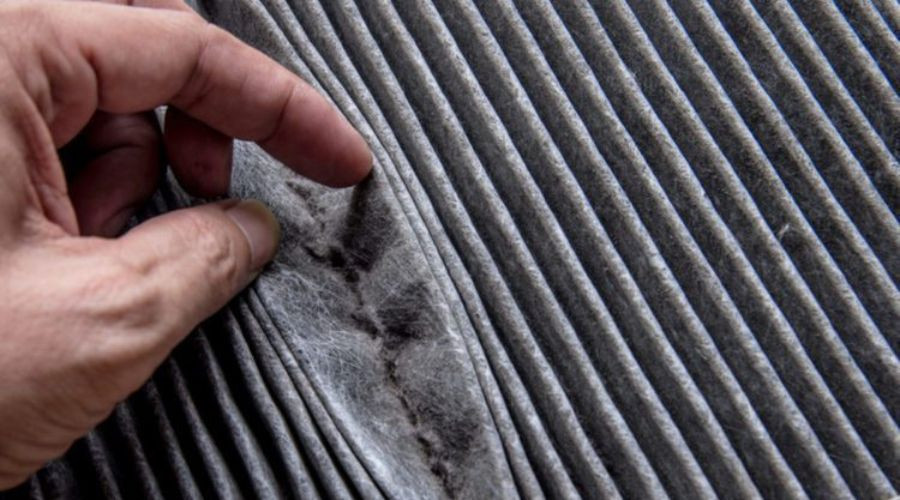
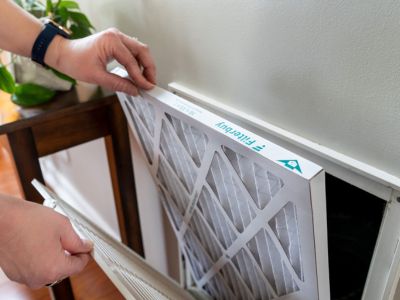 In general, air filters should be replaced every three months – although more frequent air filter replacements may be a good idea if anyone in the home has severe allergies, asthma, or if multiple indoor pets are contributing to the overall level of dander, dirt, and hair in the home.
 Regular AC filter replacement is critical for several reasons. As airborne pollutants accumulate in the filter media, it will become harder for the HVAC system’s blower to pull air into the system for cooling or heating. The unit will then have to work harder to meet the demands of the thermostat, putting undue strain on the blower motor and other components.



 The biggest aspect of outdoor parties in the summer is safety. What can ruin a party faster than someone tripping and falling? That’s why the experts recommend certain types of
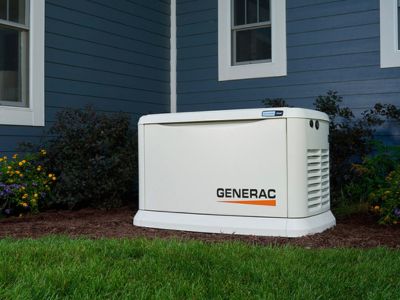 Along with summer parties come summer storms. In this region, summer power outages are more common than any other time of the year, and a loss in power can spell doom for a fun time in the backyard. To overcome the struggles that nature may hurl, consider installing a generator.
 Evaporator coils are the coils that are inside the house near the intake vent. These are also called cooling coils because they are the ones that pull heat from the air to provide the blower with cooler, humidity-controlled air to send through the air ducts. Because they interact with the air indoors, the evaporator coils often become
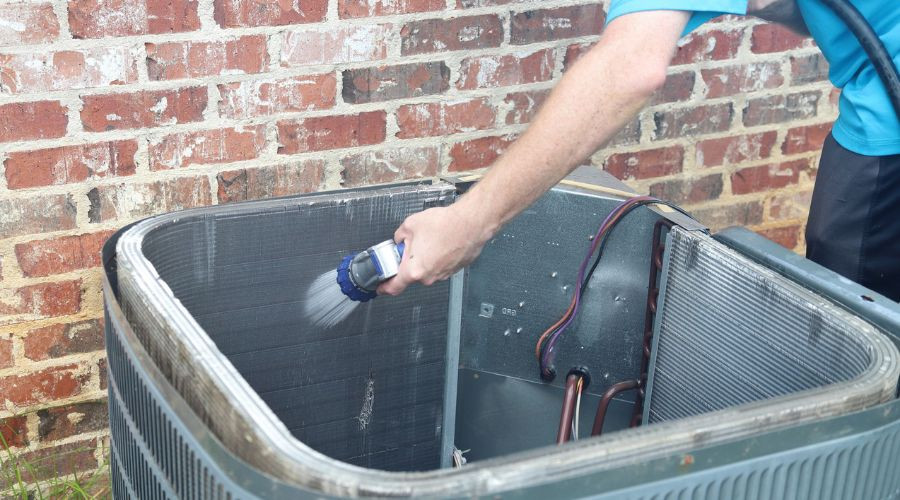
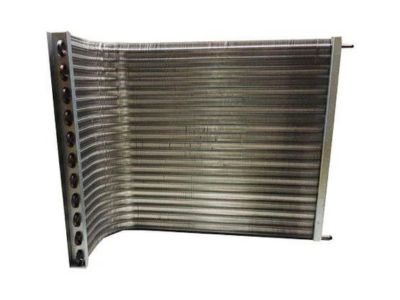 Condenser coils are the copper tubes that run around the exterior HVAC unit. These release the collected heat through the use of the compressor. It is easy to understand this because if someone has ever stood next to an outdoor AC unit, they could probably feel the heat. Storms blowing dirt, leaves, pollen, and other detritus are primarily responsible for dirty condenser coils. When they are dirty, they must work much harder to release the heat, affecting the whole system’s efficiency.
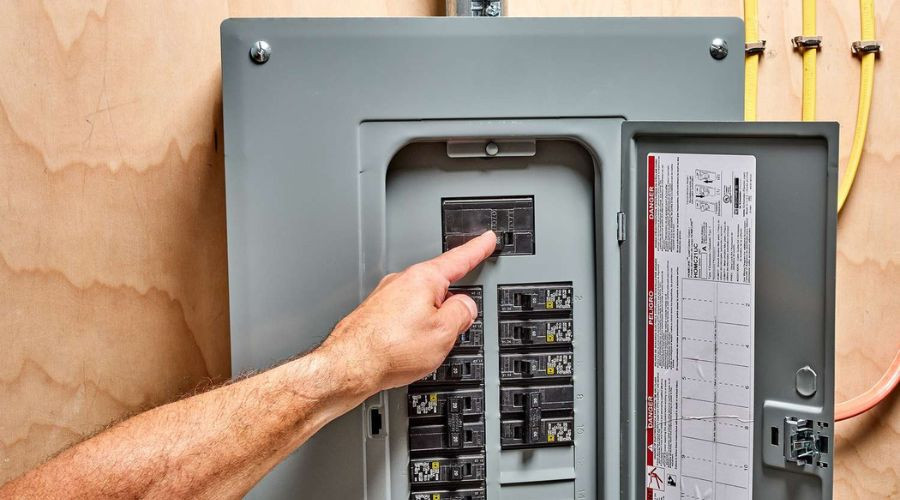
 Lights that flicker do not necessarily mean there is a problem with the breaker panel. It could be a problem with the light bulbs or a wiring issue within a lamp or ceiling fan. If lights are flickering everywhere in the house, the problem is likely the electrical panel. So to recap, dimming or flickering lights can have several causes:
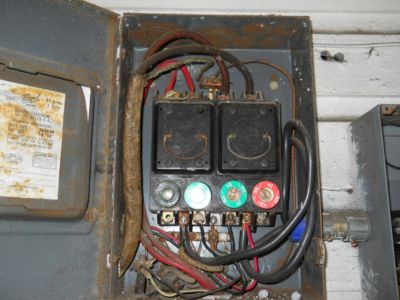 If a homeowner has been in a house for a long time, they may have reason to be concerned about their electrical panel. While they may last longer than other parts of the house, electrical panels should be checked regularly for problems. They can last as long as 40 years, but if unexpected damage occurs, it should be addressed. Electricians and electrical technicians are there to do the work properly, helping homeowners avoid danger.